
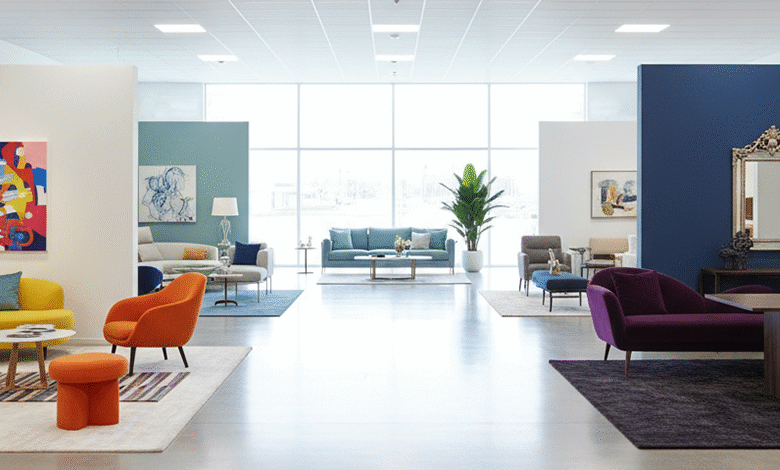
Our homes are more than just living spaces; they shape how we feel and function daily. In Bangladesh, where family life is central, the choice of furniture – its colors, design, and arrangement – plays a big role in creating comfort, energy, or calmness. This is the essence of the psychology of furniture: understanding how surroundings influence your mood.
The Power of Color
Colors affect emotions in subtle yet powerful ways. Warm shades like red, orange, and yellow bring energy and excitement, and are often used in dining spaces to encourage interaction. Cool shades like blue and green promote calmness and focus, making them ideal for bedrooms or study areas. Neutral tones, beige, gray, or white, create a sense of balance and sophistication. The right balance of colors ensures harmony without overwhelming the senses.
Furniture Design and Emotional Response
Beyond color, the design of furniture also impacts mood. Curved and soft designs feel welcoming and safe, while sharp lines and minimal styles suggest modernity and focus. For example, a plush sofa in the living room invites relaxation, while a sleek office desk boosts productivity. The materials also matter: wood brings warmth and a natural vibe, glass conveys openness, and metal signals strength and durability.
Space, Layout, and Well-being
Furniture arrangement influences how comfortable and functional your home feels. Overcrowding with bulky furniture may create stress, while a spacious, open layout gives a sense of freedom. A well-placed dining table promotes family bonding, while a dedicated reading corner offers relaxation. In Dhaka apartments, where space is often limited, smart multifunctional furniture like sofa-cum-beds or foldable dining sets adds both utility and peace of mind.
Cultural Influences in Bangladesh
Bangladeshi households often reflect cultural identity through furniture. Wooden beds with traditional carvings give a sense of heritage and belonging, while modern minimalist sofas reflect urban lifestyles. Mixing tradition with modernity allows families to feel rooted while embracing a contemporary outlook. This cultural balance also affects emotional comfort.
Tips for Choosing Mood-Boosting Furniture
- Choose warm colors for social spaces and cool tones for bedrooms
- Invest in comfortable seating for relaxation zones
- Use natural light and mirrors to create openness
- Add plants or wooden furniture for a calming effect
- Keep furniture layout uncluttered to reduce stress
Conclusion
The psychology of furniture is about more than style – it is about how your home makes you feel. From colors that spark emotions to designs that influence energy levels, every piece contributes to your daily mood. By choosing furniture mindfully, Bangladeshi families can create homes that support relaxation, focus, and joy.
Frequently Asked Questions (FAQs)
1. Do furniture colors really affect mood?
Yes, warm colors increase energy while cool tones bring calmness.
2. What type of furniture design is best for small Dhaka apartments?
Multifunctional and space-saving designs like sofa-cum-beds or foldable tables.
3. Is wooden furniture better for creating a homely feel?
Yes, wood provides warmth, durability, and a sense of natural comfort.
4. How does furniture layout affect well-being?
Cluttered layouts cause stress; open layouts bring relaxation.
5. Can mixing modern and traditional furniture work?
Yes, combining both styles creates cultural connection and modern functionality.