Ready for a discussion about something that’s on everyone’s mind? Artificial Intelligence (AI) and automation. You hear about it constantly, right? It’s exciting, a little bit scary, and often leaves us wondering, “What does this mean for my job, or the jobs of my kids?” For a nation like Bangladesh, with its vibrant and growing workforce, understanding this shift isn’t just a curiosity – it’s crucial. We’re on the cusp of a technological revolution, and how we adapt will define our economic future. This article isn’t about doomsaying; it’s about exploring how AI and automation will reshape Bangladesh’s job market, highlighting the challenges, but more importantly, the incredible opportunities that lie ahead. Let’s dive into what you can do to prepare for this evolving landscape.
Navigating the AI Wave: How Bangladesh’s Job Market Will Transform
The rise of AI and automation isn’t about replacing every human worker; it’s more about transforming the nature of work. While some tasks will certainly become automated, many more will be augmented, and entirely new job categories will emerge. Here’s a closer look at what this means for future jobs in Bangladesh and how we can all prepare.
1. Automation Will Redefine Routine Tasks
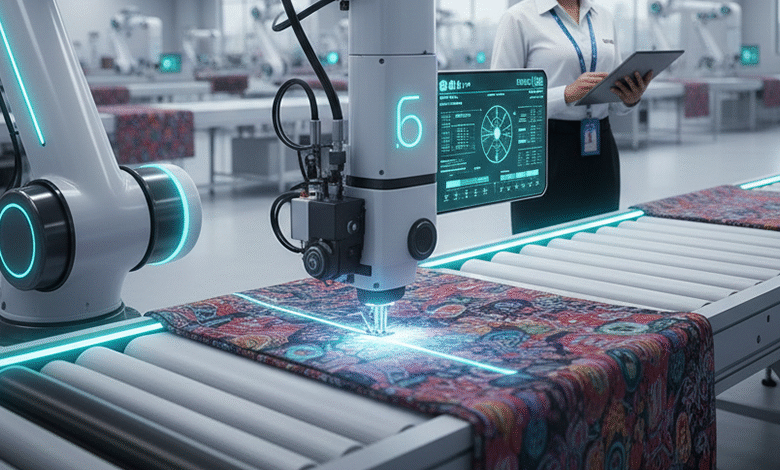
Think about jobs that involve highly repetitive, predictable actions – like certain roles in manufacturing, data entry, or even some basic administrative tasks. AI and automation are already making significant inroads here, especially in sectors like our booming garment industry. While machines might take over the more mundane parts of these jobs, they don’t necessarily eliminate the need for human oversight, maintenance, or quality control. Instead, workers might shift to supervising robots or analyzing performance data, requiring a different skill set.
2. New Job Roles Will Emerge
It’s not all about job displacement; AI creates new jobs too! Just as the internet birthed web developers and digital marketers, AI will create demand for roles we can barely imagine today. We’re talking about AI trainers, robotics technicians, ethical AI specialists, data scientists, and prompt engineers who can communicate effectively with AI systems. Bangladesh’s youth have a chance to step into these cutting-edge roles and become global leaders.
3. The Power of Human-Centric Skills Will Grow
AI is fantastic at crunching numbers and following algorithms, but it struggles with genuine empathy, complex interpersonal communication, critical thinking, and raw creativity. This means jobs that heavily rely on these “human-centric” skills – like teaching, nursing, counseling, strategic management, creative arts, and even high-level customer service – will become even more valuable. Your ability to connect, innovate, and solve nuanced human problems will be your superpower in an automated world.
4. Upskilling and Reskilling Are Our Superpowers
The key to thriving in this new environment is continuous learning. It’s not just about getting a degree and being done; it’s about embracing lifelong learning. Governments, educational institutions, and individuals in Bangladesh must prioritize upskilling and reskilling initiatives. This means teaching digital literacy, coding, data analysis, and critical thinking to the current workforce, and ensuring our educational system prepares future generations with these vital skills.
5. Government and Education: Pillars of Preparation
For Bangladesh to truly leverage the benefits of AI and automation, strong national strategies are essential. Our government needs to invest in tech infrastructure, create policies that encourage innovation while protecting workers, and collaborate with industries to identify future skill demands. Our education system, from primary schools to vocational training centers, must adapt its curriculum to foster AI literacy and develop the human-centric skills that will be in high demand. This proactive approach can turn potential challenges into significant opportunities.
What’s In and What’s Out? Skills for Bangladesh’s Future
To give you a clearer picture, here’s a quick look at the types of tasks and skills that will see significant changes in demand:
| Category | Tasks/Skills Likely to Be Automated/Augmented | Skills/Jobs Likely to Be in Demand |
|---|---|---|
| Routine Operations | Assembly line production, basic data entry, simple calculation, repetitive clerical work | Robotics maintenance & repair, AI system supervision, process optimization, data analysis |
| Cognitive Tasks | Original artistic creation, innovative product design, scientific research, and entrepreneurial ventures | Complex problem-solving, ethical AI design, strategic decision-making, creative content generation |
| Human Interaction | Scripted call center responses, basic customer support FAQs | Empathy-driven customer experience, teaching, healthcare (nursing, therapy), leadership, negotiation |
| Creative/Innovative | Basic content generation from templates | Original artistic creation, innovative product design, scientific research, entrepreneurial ventures |
Preparing for Tomorrow, Today
So, what does this all mean for you and for Bangladesh? It means the future isn’t about humans versus machines; it’s about humans with machines. AI and automation are powerful tools that can boost productivity, create new industries, and improve lives. For Bangladesh, this isn’t just about catching up; it’s about strategically positioning our vibrant young workforce to lead. By focusing on continuous learning, nurturing human-centric skills, and investing in smart education and policy, we can turn the AI revolution into an incredible opportunity. Let’s embrace this transformation with optimism and a commitment to lifelong growth, ensuring a prosperous future for all in Bangladesh.