Okay, so your little one is on the move, aren’t they? One minute they’re cooing in their crib, the next they’re practically an Olympic explorer, scaling furniture and eyeing every shiny gadget. It’s an exciting time, watching them discover the world, but let’s be honest, it can also bring a whole new level of “heart-in-your-throat” moments. That’s why baby-proofing your home isn’t just a suggestion; it’s a total game-changer for your peace of mind and, more importantly, your toddler’s safety.
In this article, we’re going to walk through some super practical ways to make your home a safe haven for your curious explorer. We’ll focus specifically on childproofing furniture and securing gadgets, turning potential hazards into safe zones. You’ll learn simple, effective tips to help your toddler explore freely and breathe a little easier. Let’s get your home ready for those tiny, adventurous hands!
Making Your Home a Toddler-Safe Zone: Essential Tips
Toddlers are natural scientists, constantly experimenting with gravity, balance, and reach. Our job as parents is to provide an environment where they can learn and grow without unnecessary risks. Here are some key areas to focus on when baby-proofing your space.
1. Anchor Furniture to Prevent Tipping Hazards
This is perhaps one of the most critical steps in childproofing furniture. Dressers, bookshelves, and TV stands can become major tipping hazards once your toddler starts climbing or pulling themselves up. Imagine them using a drawer as a step stool – it happens faster than you think!
Always use anti-tip furniture straps or anchors to secure these heavy items directly to the wall. They’re usually inexpensive and relatively easy to install. A simple bracket can make a huge difference in preventing a serious accident, giving you much-needed peace of mind.
2. Soften Sharp Edges and Corners
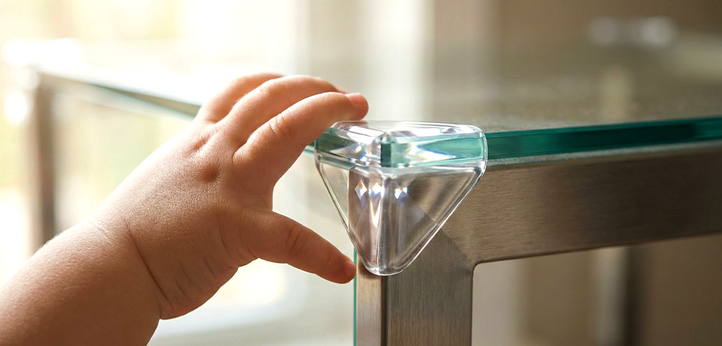
Just about every home has coffee tables, fireplace hearths, or low shelves with sharp corners that are right at eye level or head level for a crawling or newly walking toddler. These can lead to painful bumps and cuts. Don’t worry, there’s an easy fix!
Invest in corner guards and edge bumpers, available in materials such as foam or clear silicone. They stick easily to corners and edges, providing a soft cushion against accidental bumps. Your toddler will still explore, but their little head will thank you!
3. Secure Cabinets and Drawers
Once your toddler discovers the joy of opening things, every cabinet and drawer becomes a treasure chest of possibilities – some of them quite dangerous. Think about cleaning supplies under the sink, medicines in the bathroom, or sharp utensils in the kitchen.
Install child safety locks on all accessible cabinets and drawers, especially those containing hazardous items. There are many types, from magnetic locks that are invisible from the outside to simple latches. This prevents access to poisons, choking hazards, or anything that could cause injury.
4. Tackle Electrical Outlets and Cords
Fascinated by lights and anything that plugs in, toddlers are naturally drawn to electrical outlets. Exposed outlets and dangling cords are clear and present dangers. Those tiny fingers can get into small spaces surprisingly well.
Make sure all unused electrical outlets have safety covers or caps. For outlets that are in use, consider using tamper-resistant receptacles or furniture to block access. Also, manage appliance cords by bundling them, using cord shorteners, or hiding them behind furniture to prevent strangulation hazards or pulls.
5. Appliance Safety in the Kitchen
The kitchen is often the heart of the home, but it’s also packed with potential hazards for toddlers. Hot ovens, heavy fridges, and dishwashers are big temptations. Keeping little hands safe here is crucial.
Use oven locks to prevent your child from opening a hot oven or playing with the controls. Refrigerator locks can keep curious kids out of food and prevent them from climbing inside. Dishwasher locks are also a good idea, as they keep children away from sharp items and cleaning agents.
6. Managing Gadgets and Electronics
From remote controls to charging cables, our homes are full of tempting gadgets. These aren’t just potential choking hazards; they can also be damaged or cause injury if not handled properly. Remember, “everything goes in the mouth” for toddlers!
Keep small remotes, cell phones, and other electronics out of reach. Secure charging cables so they aren’t dangling or easily chewed on. Consider cord protectors for highly trafficked areas. It’s all about creating an environment where curiosity is encouraged, but safety is paramount.
Conclusion
Baby-proofing your home for your toddler might seem daunting, but it’s truly an act of love and prevention. By taking these proactive steps – securing furniture, softening edges, and managing gadgets – you’re not just preventing accidents; you’re creating a safe, stimulating environment where your little one can thrive and explore with confidence. You’ll gain incredible peace of mind, knowing that your home is a safe haven for their every adventure. So, roll up your sleeves, tackle these tips, and enjoy watching your toddler discover their world safely. What’s one baby-proofing task you’re going to start today?